Here's the thing about safety on the towpath — it's not complicated. You don't need to spend a fortune on gear you'll never use. But there are a few items that genuinely make a difference between being visible and being invisible.
We've talked to dozens of cyclists who've been riding the Barrow Way and other towpath routes for years. What they actually use? That's what we're covering here. Not the fancy stuff. Just the essentials that work.
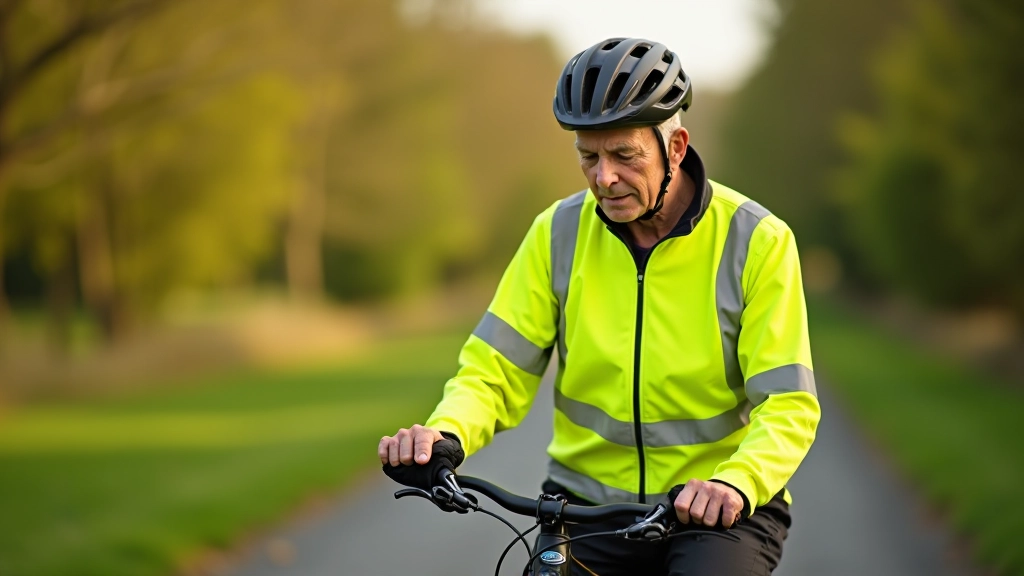
Visibility First — Everything Else Second
Let's be direct: most accidents on the towpath happen because someone didn't see the cyclist. Not because the cyclist wasn't skilled. You could be the smoothest rider in Ireland, but if a walker or another cyclist doesn't notice you until you're five metres away, that's a problem.
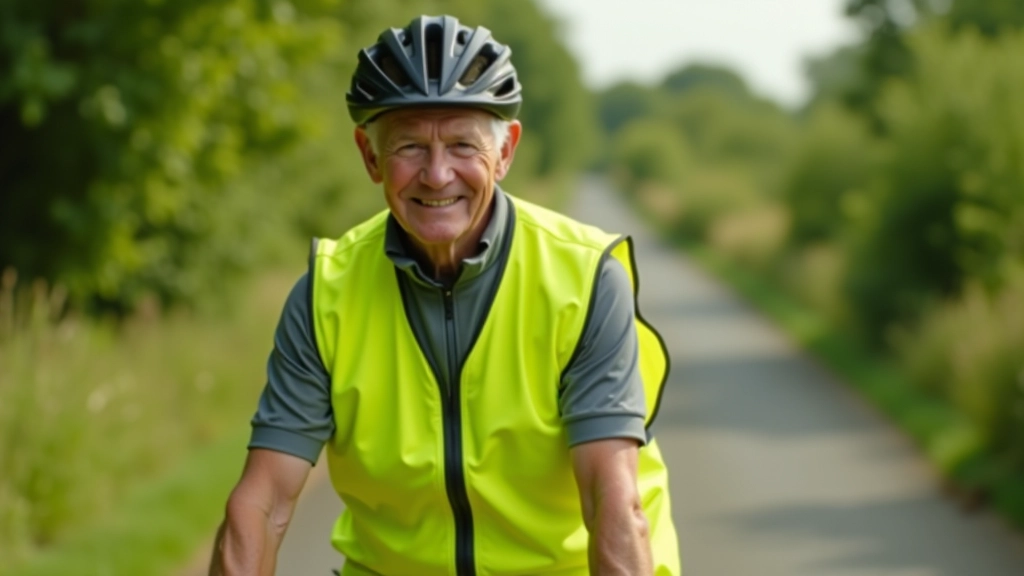
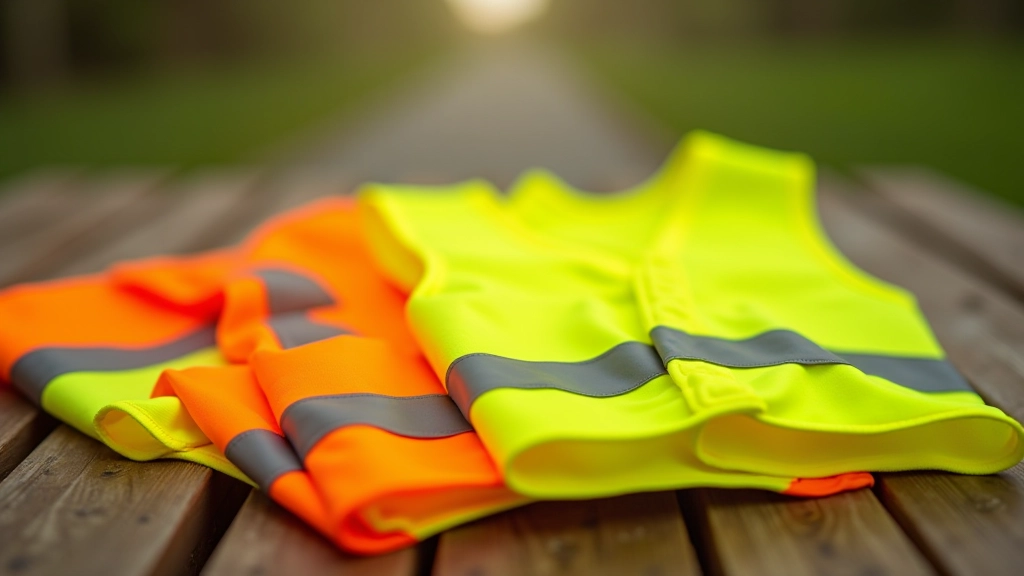
A high-visibility vest or jacket changes this. You're not trying to look cool — you're trying to be unmissable. And they work. Studies show cyclists in neon yellow are spotted earlier than those in regular clothing, especially in the kind of variable light you get on the canal in early morning or late afternoon.
You don't need expensive branded gear. A basic yellow or orange high-vis top from any hardware or cycling shop costs €15-25 and does the job. Wear it over whatever else you've got on. That's it. Simple.
Lights: Flashing Beats Steady
You need lights. Not just in winter — in any light that's not full bright daylight. Flashing lights work better than steady ones. Your eye catches movement, and a flashing light from a distance away is easier to spot than a steady one.
A basic LED light set (front and rear) costs €20-40 and runs for months on a couple of batteries. Put the front light on flash mode during the day. At night, use it steady so you can see where you're going. Rear light should always flash — that's what catches people's attention behind you.
Mount them properly. Front light slightly angled down, rear light on the seat post where it's visible. They're only useful if people can actually see them.
Helmets: Not Optional
We'll keep this short because the evidence is clear. A helmet reduces serious head injury risk by roughly 50-70%. That's not a guarantee — it's a significant reduction in risk. On the towpath where you're sharing space with walkers and other cyclists, a fall at even moderate speed can be serious.
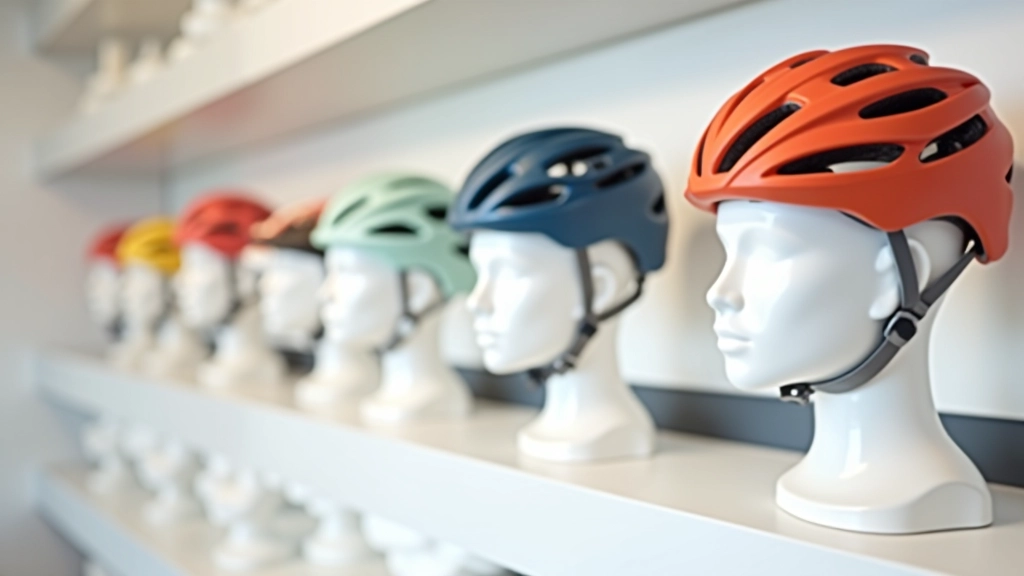
Get one that fits properly. It should sit level on your head, not tilted back or forward. The straps should form a V under your ears when fastened. A €40 helmet from a decent shop will protect you just as well as a €150 one.
Replace it after any significant impact. Even if it looks fine, the foam inside may be damaged. You can't tell by looking.
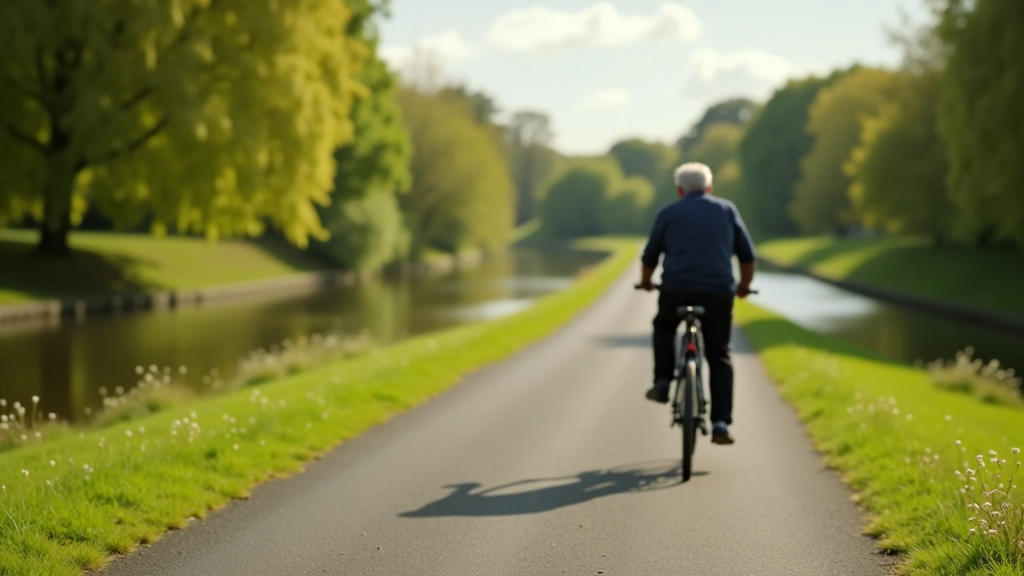
Awareness: The Most Important Safety Tool
No amount of gear replaces paying attention. On the towpath, you're sharing space with walkers, other cyclists, and occasional dog leads you can't see until you're nearly on top of them.
Ride at a speed where you can stop safely. That's usually slower than you think. If you're going fast enough that you can't react to someone stepping out 10 metres ahead, you're going too fast. Towpaths aren't racetracks.
Use a bell or call out before passing. "Passing left" works. Most people will move, and it's safer than surprising them. If you're wearing headphones, take them out. You need to hear what's happening around you.
The Actual Checklist
- High-visibility vest or jacket (€15-25)
- Front and rear lights with batteries (€20-40)
- Properly fitting helmet (€40+)
- Bell or voice to alert others
- Attention to your surroundings
That's it. Everything else is nice to have. These five things actually keep you safe on the towpath. The visibility gear gets you noticed. The lights make sure you can see and be seen. The helmet protects your head if things go wrong. The bell and awareness prevent situations from getting dangerous in the first place.
You'll notice we haven't mentioned anything that costs hundreds of euro or requires special skills. Safety doesn't work that way. It's about simple choices made consistently. Wear the vest. Use the lights. Put on the helmet. Pay attention. Ride at a sensible speed. Do those things every time, and you'll be safer than 90% of cyclists out there.