
Route Guide
The Athy to Graiguenamanagh Route Explained
Kilometre by kilometre breakdown of the route. Where to stop for refreshments, which sections are flattest, and what you'll see along the way.
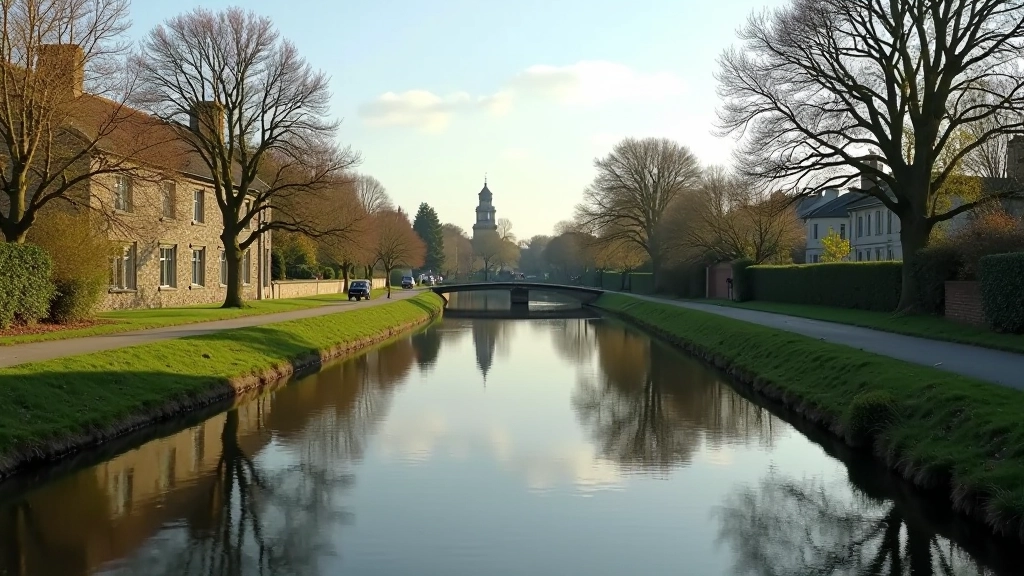
The Barrow Way between Athy and Graiguenamanagh is one of Ireland's finest canal towpath rides. It's a 35-kilometre journey that'll take you about three to four hours at a comfortable pace — perfect for getting a proper sense of the landscape without rushing.
What makes this route special? The terrain's genuinely flat, the water views are consistent, and you'll find proper stopping points with facilities along the way. We're not talking about a remote wilderness ride here — it's well-maintained towpath with actual villages where you can grab food and use facilities.
Starting in Athy: The First 8 Kilometres
You'll find the towpath entrance right near Athy town centre, close to the castle. There's parking available, and the first section sets you up nicely for what's ahead — the path is wide and well-maintained, perfect for getting into your rhythm.
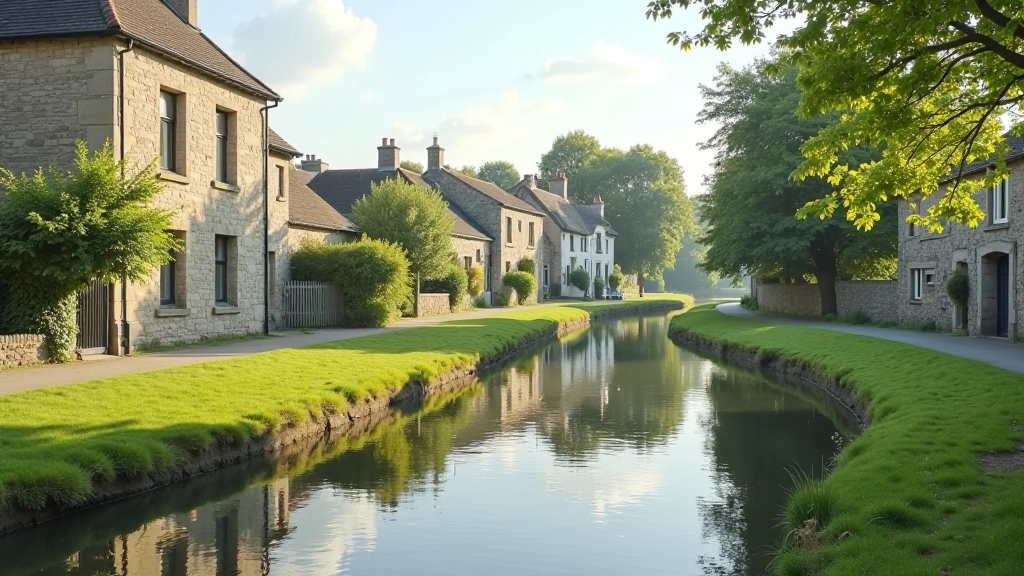
The opening kilometres take you past riverside meadows and tree-lined sections. You're not going uphill at all, which is the whole point. The pace here is genuinely flat — no hidden climbs waiting to surprise you. You'll pass a few locks, and the canal's quite peaceful this far out. It takes about 45 minutes to an hour to reach Monasterevin, which is your first proper stopping point.
Monasterevin's got shops, a café, and clean facilities. Stop here if you need it. The village sits right on the water, so you're never far from the main path.
Route Information Notice
This guide provides general information about the Athy to Graiguenamanagh towpath route. Conditions vary seasonally and can change without notice. We recommend checking local towpath status before you ride, especially after heavy weather. Bring water, check your bike, and ride at your own pace — there's no rush on a canal route like this.
Monasterevin to Vicarstown: The Longest Flat Section
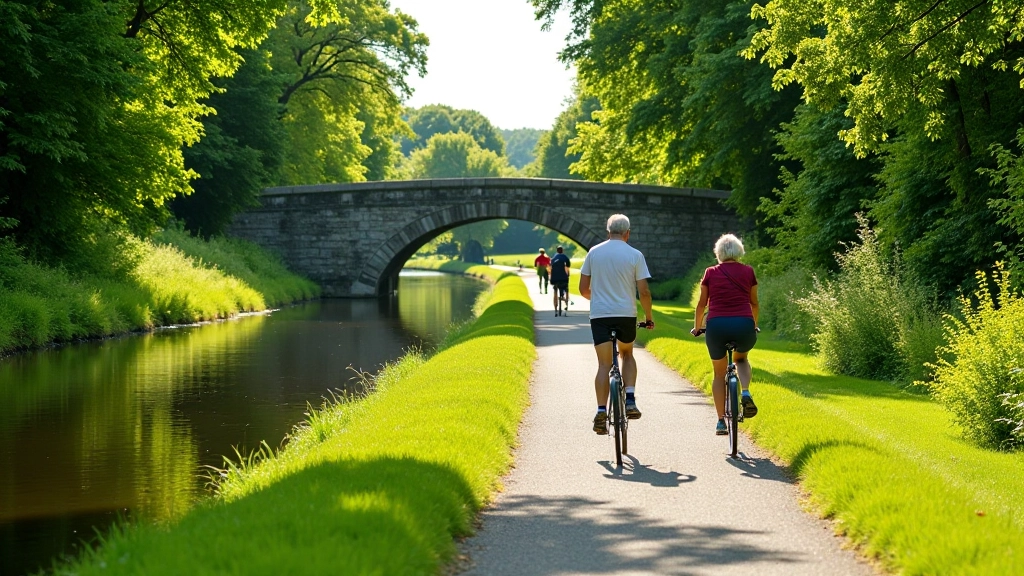
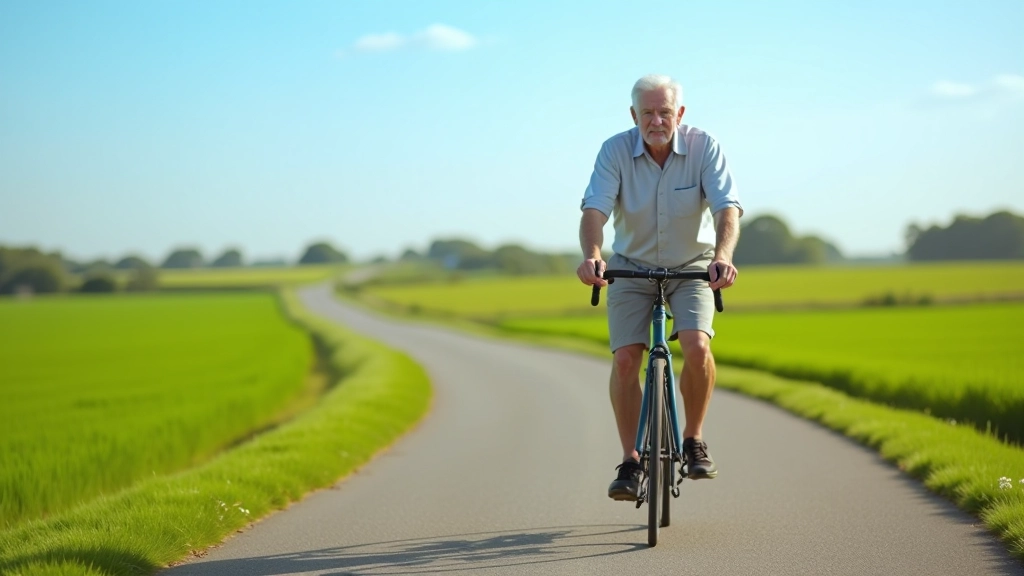
This is the heart of the route — and honestly, it's where you'll understand why so many cyclists come back to the Barrow Way. You've got about 15 kilometres of genuinely flat towpath with hardly any elevation change at all. The canal runs through farming country, and you'll see open fields on both sides.
Vicarstown sits roughly halfway through your ride. There's a small village with basic facilities — a pub and a shop — so it's a natural lunch spot. Don't expect fancy cafés, but it's proper stopping-off territory. Most riders take 90 minutes to two hours to get here from Monasterevin, depending on how often you stop for photos.
The stretch between these two villages is where you'll get the best sense of the canal's rhythm. It's quiet, the water's usually calm, and you're cycling through genuine Irish countryside — not suburban towpath, but real rural landscape.
Vicarstown to Graiguenamanagh: The Final Push
The last 12 kilometres take you through a mix of open country and tree-lined sections. You're still completely flat — don't worry, the whole route is like that. The landscape starts changing slightly, with more woodland and less open field. The canal itself gets a bit quieter traffic-wise, which some riders prefer.
Graiguenamanagh appears quite suddenly at the end of the towpath. It's a proper village with real facilities — restaurants, cafés, shops. You can actually grab a proper meal when you finish, which is different from some canal routes. The town sits at the edge of the Barrow, so there's a sense of arrival when you get there.
The whole journey takes between three and four hours of actual cycling, depending on your pace and how many breaks you take. That's not racing pace — it's the speed where you can actually enjoy the ride and have conversations with whoever you're cycling with.
What to Actually Bring
Simple checklist for a comfortable ride
Water and Snacks
You're cycling for three to four hours. Bring at least one water bottle — two is better. Pack some fruit or energy bars. You'll stop in villages, but don't rely on that being enough.
Sun Protection
The towpath has shade in patches, but you're exposed to sun for most of it. Sunscreen matters. A hat or cap makes a real difference on longer rides.
Lights and Visibility
Even on a daytime ride, bring lights. Some sections have tree cover that reduces daylight. It's not about darkness — it's about being visible to anyone else on the path.
Navigation
The towpath is well-marked, but having a map or a phone with offline maps downloaded is sensible. You won't get lost, but it removes any doubt.
Basic Tools
A spare tube, tyre levers, and a hand pump. Punctures happen. You don't need fancy tools — just the basics to get yourself going again if something goes wrong.
Phone and ID
Keep your phone charged. Bring some ID and maybe a credit card. It's not wilderness cycling, but you're not in town either.
Best Times to Ride This Route
Spring and autumn are genuinely the best times for the Barrow Way. Summer can get busy, especially weekends. Winter's rideable if you're equipped for it, but you'll be cycling in limited daylight.
Weekday mornings tend to be quieter than weekends. If you prefer having the path mostly to yourself, that's when you'll get it. But it's not like you're dodging crowds — the Barrow Way isn't overrun even on busy days.
Weather matters more than time of year. A dry day with decent light is all you need. Rain's manageable on this route because you're not climbing — it's just about being visible and having grip.
35
Kilometres total
0m
Total elevation gain
3-4h
Riding time
3
Main villages
Making It Your Own
The Athy to Graiguenamanagh route doesn't require any special planning. You're not tackling elevation, you're not navigating complex trail systems, and you're not far from civilization. It's a straightforward, flat canal ride with good facilities along the way.
Some riders do it as a one-way journey and get picked up at the end. Some do it as a round trip, cycling back to where they started. There's no wrong way to do it — you're the one deciding the pace and the stops.
What makes the Barrow Way special isn't any single feature — it's the combination. Genuinely flat terrain, consistent water views, proper villages where you can eat, and towpath that's been maintained well enough that you can focus on enjoying the ride instead of worrying about obstacles. That's a rare combination in Ireland's cycling landscape.
Ready to explore the Barrow Way? Start with our beginner's guide to the route, or check out essential safety tips for towpath cycling.
More Route Guides