Why Maintenance Matters
Your bike's condition directly affects how it rides and how safe you are on the towpath. A well-maintained bike is easier to control, more responsive, and much less likely to let you down mid-ride. You don't need special tools or years of experience — most basic checks take just a few minutes before you head out.
We're talking about simple, practical checks that catch problems early. Things like tyre pressure, brake feel, and chain lubrication. When you get these right, your bike feels better to ride and you'll notice problems before they become serious.
The Pre-Ride Check
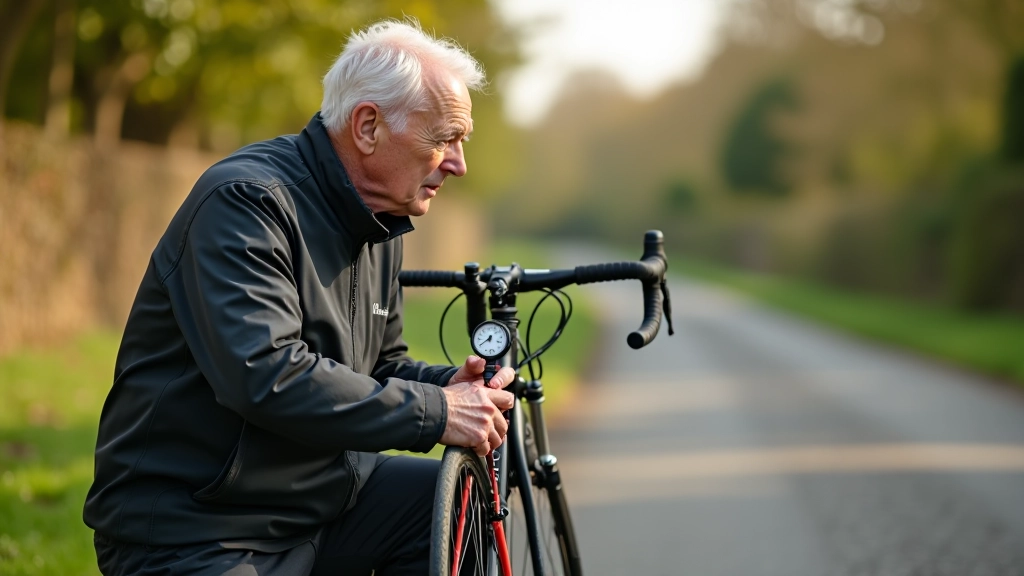
Before you leave home, spend five minutes on these checks. They're quick but genuinely important. Start with the tyres — grab the wheel and try to twist it. If it feels spongy or deflates visibly when you press it, pump it up. Most hybrid bikes need between 50-70 psi (pounds per square inch), but check the sidewall of your tyre for the exact range.
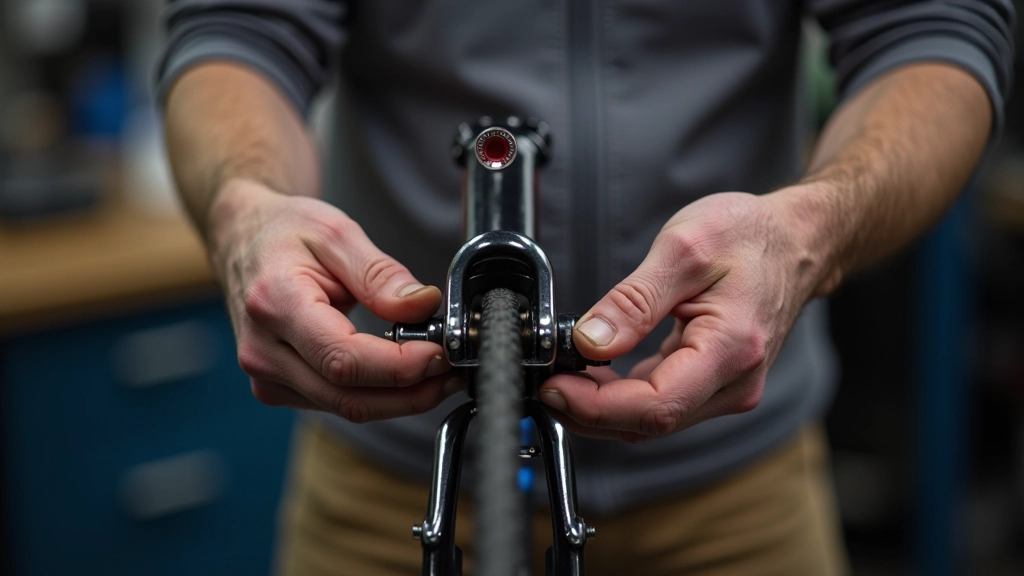
Next, test your brakes. Squeeze the brake levers firmly — they shouldn't feel mushy or go all the way to the handlebar. If they do, they need adjusting. Then spin each wheel and watch the brake pads. They should just kiss the rim without rubbing constantly. If you hear scraping, something's not aligned properly.
Five-Minute Checklist
- Tyres: Pressure correct, no visible damage or bulges
- Brakes: Both levers responsive, pads not worn flat
- Chain: Lubricated, not rusty or dry-looking
- Wheels: Spin freely, no wobbles or rubbing
- Seat: Tight and at correct height for you
Important Note
This guide is educational information about basic bicycle maintenance. If you're unsure about any repairs or adjustments, or if your bike has mechanical issues you can't identify, consult a professional bike mechanic. They can provide expert assessment and ensure your bike is safe for riding.
Looking After Your Chain
The chain is the heart of your bike's drivetrain. A clean, well-lubricated chain means your gears shift smoothly and you'll pedal with less resistance. Neglect it and you'll feel the difference — the bike becomes sluggish and shifting gets hesitant.
Once a week, spin the pedals backwards and look at the chain. It should look dark and shiny, not grey and crusty. If it looks dry, apply chain lubricant. Don't oversaturate it — a little goes a long way. Wipe away excess with a cloth, otherwise dirt sticks to it and makes things worse. A light coating is all you need.
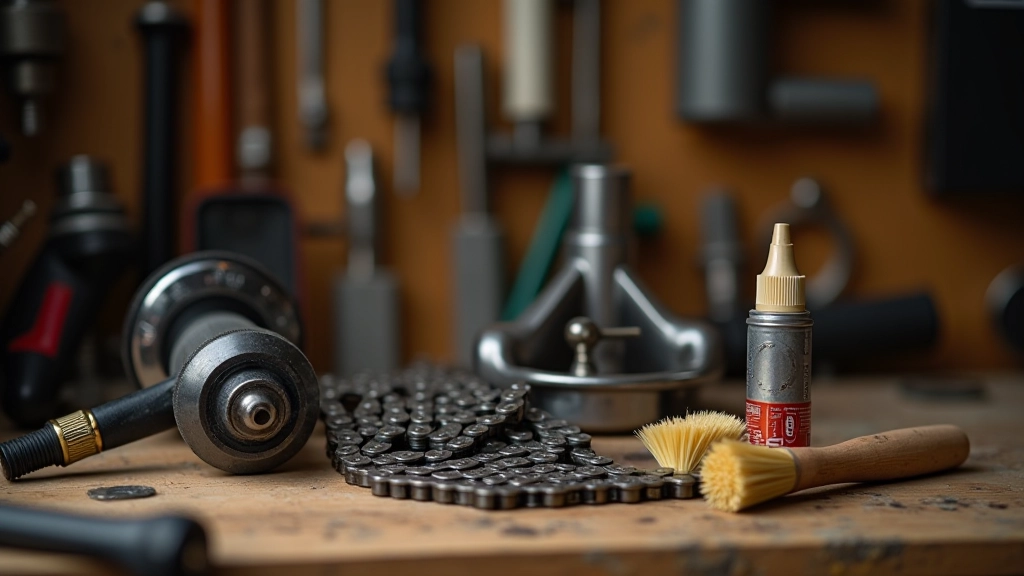
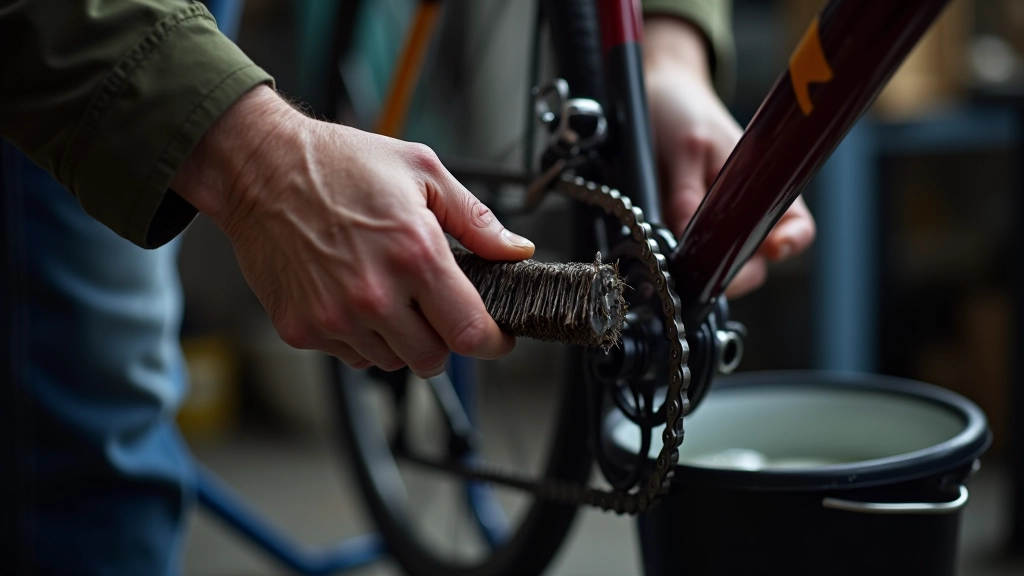
Every month or so, clean the chain properly. You don't need expensive degreaser — warm soapy water and an old toothbrush work fine. Scrub between the links, rinse well, dry completely, then lubricate. It'll take 15 minutes and your bike will thank you with smooth, quiet shifting.
Tyre Care and Pressure
Tyre pressure is one of the biggest factors in how your bike rides. Under-inflated tyres feel sluggish, wear faster, and are more prone to pinch flats. Over-inflated tyres give a harsh ride and don't grip as well on damp towpath surfaces. The sweet spot is usually somewhere in the middle of the range printed on your tyre sidewall.
Check your pressure weekly if you ride regularly. A simple floor pump with a pressure gauge costs about £20-30 and is genuinely useful. If you don't have one yet, get one — it makes inflation consistent and reliable. Carry a small hand pump or CO2 cartridges when you're out riding, just in case.
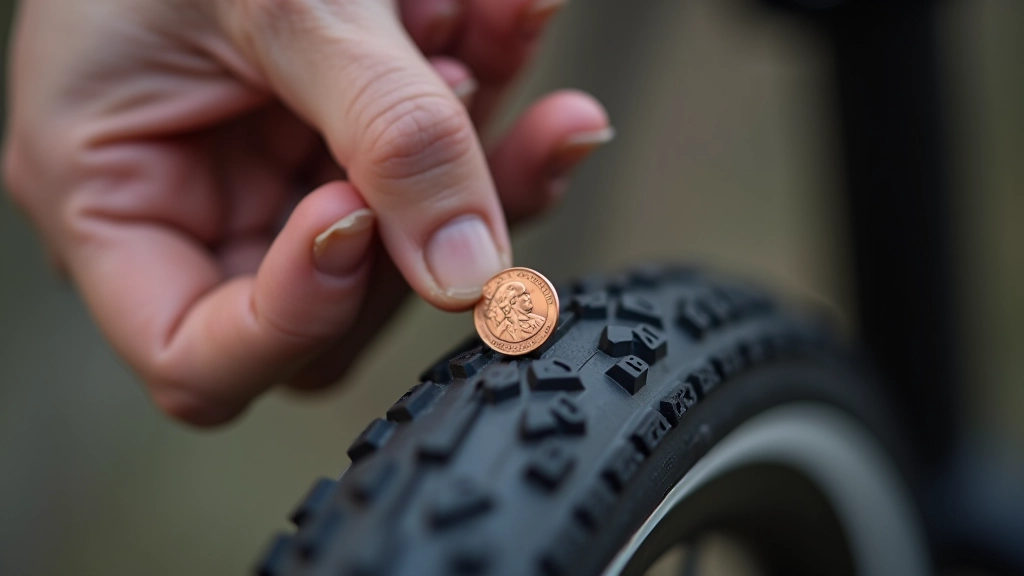
Look at your tyres regularly for cuts, bulges, or anything embedded in the rubber. Small stones and thorns can puncture you mid-ride if you don't spot them first. If you see a cut deeper than about 2mm, the tyre needs replacing. Worn tread is also important — if the pattern is nearly gone, grip suffers, especially in wet conditions.
Seasonal Maintenance
Winter on the towpath brings mud, salt spray, and damp conditions that accelerate wear. After winter rides, rinse your bike with fresh water — especially the drivetrain. Mud holds moisture against metal, causing rust. A quick rinse takes three minutes and adds years to your bike's life.
Spring is a good time for a deeper service. Check all the bolts on your bike — seat post, stem, handlebars — and tighten anything that's loose. Wobbles develop gradually but affect handling and safety. While you're at it, check brake pad wear. If they're worn flat or very thin, replace them. New pads cost about £15-20 and stopping power is crucial.
Summer riding means more miles, which means more maintenance. Keep that chain clean and lubricated — dust accumulates fast. Check your tyres more often too. Punctures are more likely on hot days when rubber is softer and roads/towpaths are drier and rougher.
Keep Your Bike Happy
Regular maintenance isn't complicated. It's just a few minutes here and there — checking tyres, lubricating the chain, making sure brakes work properly. Done consistently, these small actions keep your bike reliable and enjoyable to ride.
You don't need to be mechanically gifted. Most of what we've covered takes basic tools you probably already have — a pump, lubricant, maybe an adjustable spanner. Watch your bike respond positively. Shifting becomes crisper. Braking feels more confident. The bike just rolls better. That's what proper maintenance feels like.
Start with the five-minute pre-ride check. Make it a habit. After a few weeks, you'll notice things about your bike's condition automatically — the way it feels, sounds, and responds. That's when you'll know maintenance has become second nature. And your bike will stay safer and more enjoyable for years to come.