

Getting Started on the Barrow Way
A beginner's guide to planning your first ride. We cover what to bring, when to go, and how to pace yourself for a comfortable day out.
Read guide →Discover the Barrow Way from Athy to Graiguenamanagh — a gentle, scenic route built for leisurely rides and good company.
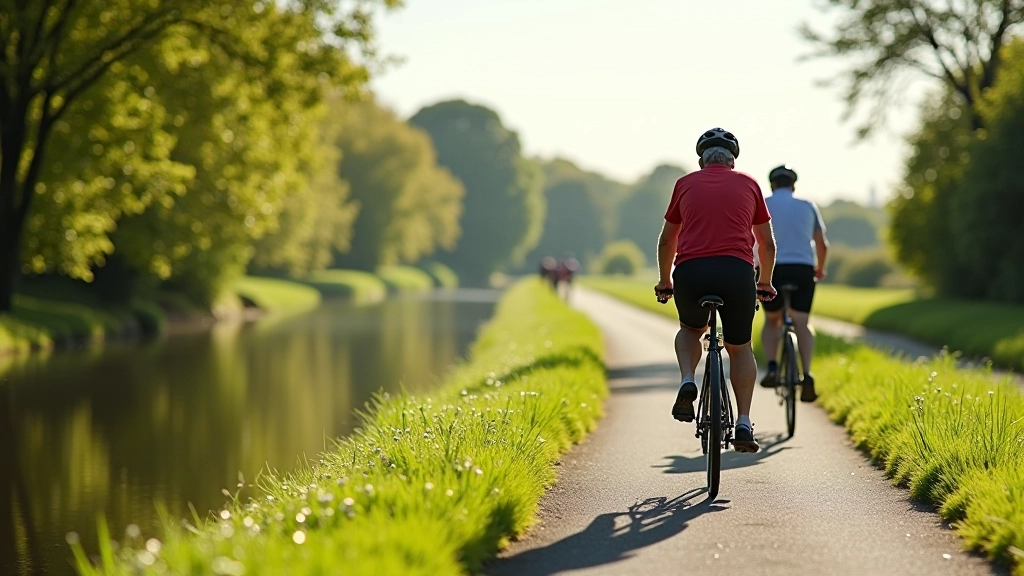
Whether you're new to cycling or getting back into it, we'll help you plan your first ride on the Barrow Way. No experience needed — just bring curiosity and comfortable shoes.
Get in TouchNo hills, no steep sections. The canal follows water level the whole way — that's the beauty of towpaths. Easier on your knees and more enjoyable when you're taking your time.
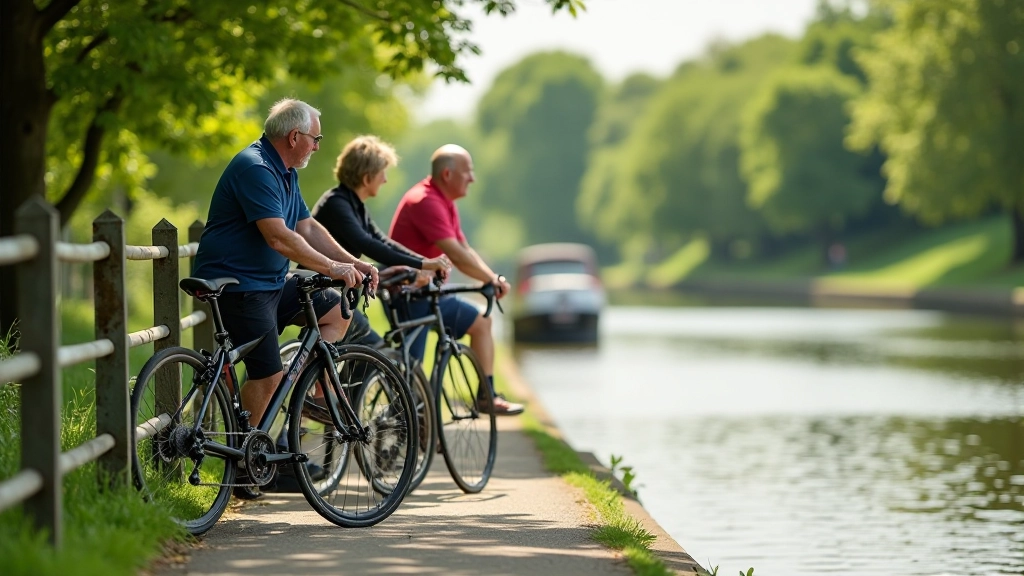
Trees, water, wildlife, and quiet villages. You'll see swans, herons, and proper countryside. The route winds through some of Ireland's nicest river valleys.
The towpath is solid and predictable. No surprise potholes or loose gravel. Your bike'll feel stable, and you won't worry about punctures every other kilometre.
Villages along the route have cafés, pubs, and benches. You're not stuck in the middle of nowhere if you need a break. That matters when you're out for a few hours.
The towpath runs from Athy in County Kildare down to Graiguenamanagh in County Kilkenny — roughly 50 kilometres one way, though most people break it into shorter rides.
It's not a race. That's the whole point. You'll cycle at whatever pace feels right — maybe 10 kilometres an hour, maybe 15. Stop when you want. Chat with someone you meet. Watch the water. We're talking about proper cycling, not time trials.
The route's popularity with older cyclists isn't by accident. It's genuinely designed for steady, safe riding. Flat means your legs aren't screaming. Wide means you've got space to manoeuvre. Scenic means you'll actually want to come back.
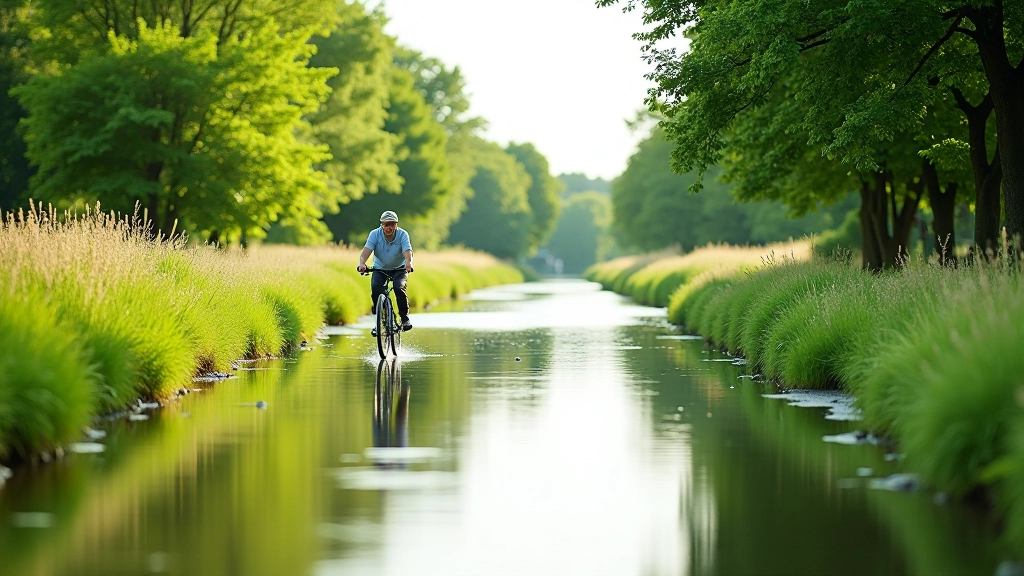
Breaking down the Barrow Way into manageable sections so you can choose what suits you.
12 km — Perfect for a half-day ride
18 km — Full day with lunch break
20 km — Longer section, beautiful valley
Can retrace or arrange transport back
Safe & Accessible
Fully Maintained
Well Signposted
Community Supported
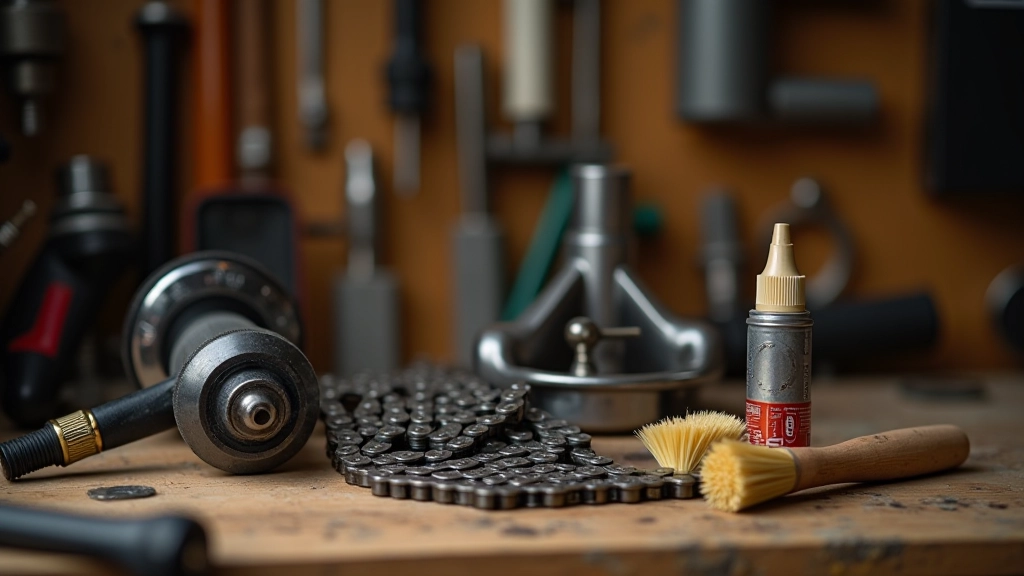
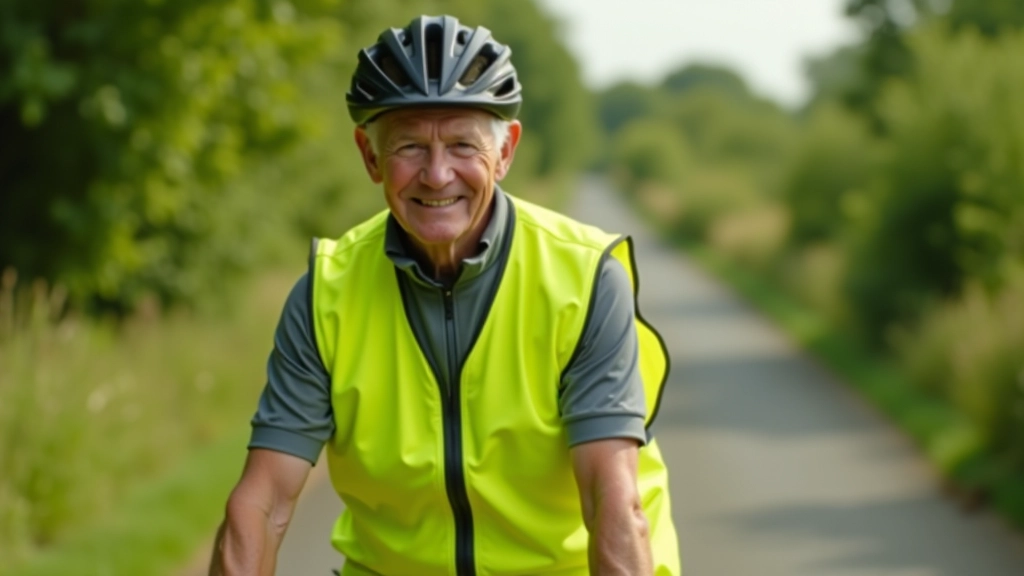
Everything you need to know before heading out on the towpath
View all resources →
A beginner's guide to planning your first ride. We cover what to bring, when to go, and how to pace yourself for a comfortable day out.
Read guide →
Simple checks you can do yourself before each ride. Doesn't take long, but it makes a real difference to how your bike handles on the towpath.
Read guide →
Visibility, lights, helmets, and awareness. We'll walk through what makes a real difference versus what's just extra weight to carry.
Read guide →Not really. It's completely flat, so there's no hill climbing involved. If you can ride a bike at all, you can do this route. You just go at your own pace — stop as much as you need.
A regular hybrid or road bike works fine. You don't need anything fancy. Make sure it's been serviced recently and the tyres have proper pressure — that's about it.
Depends entirely on you. If you're doing the full 50 kilometres, you're looking at 5-7 hours with stops for breaks and food. Most people split it into smaller sections over multiple trips.
Both work. Solo gives you freedom to stop whenever. With others, you've got company and someone to chat with. Either way, you're never far from help if something goes wrong.
Spring through autumn works well. Summer's warm but can be busy. Autumn has beautiful colours and quieter paths. Winter's doable if you're hardy — just dress properly.
Yes. Villages along the towpath have cafés, pubs, and public facilities. You're not camping in the wilderness. Plenty of spots to grab lunch and use facilities.
Whether you're planning your first ride or you're already a regular, we're here to help. Questions about routes, bike prep, safety — reach out anytime.
Contact Us More Questions?